1939
01
A beginning in Tungipara
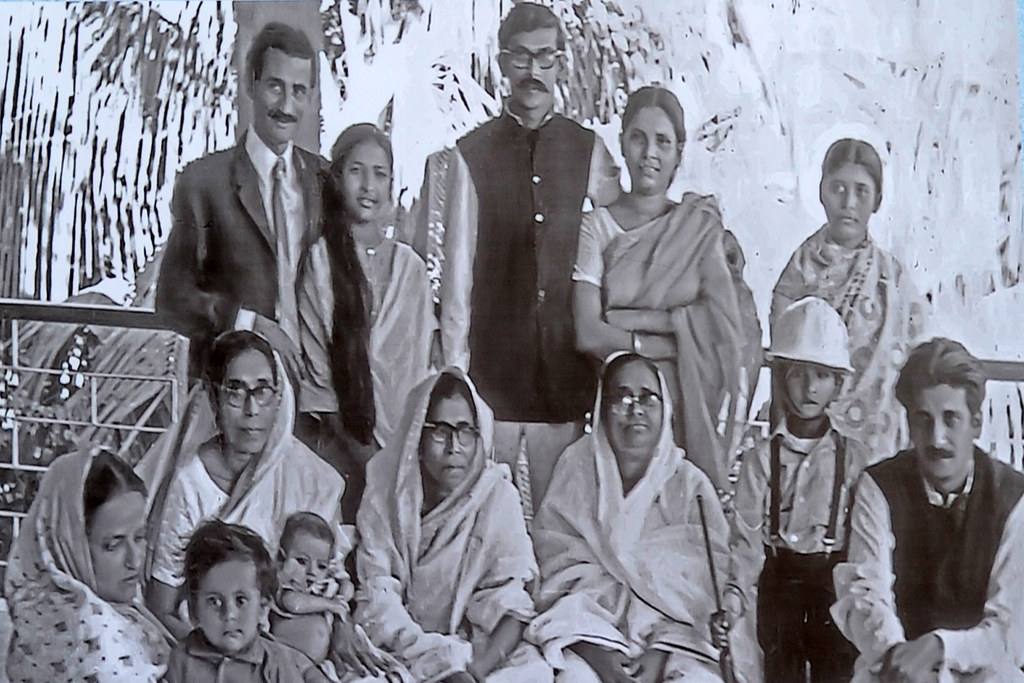
Born on 4 December in Tungipara, Gopalganj, Sheikh Fazlul Haque Moni grew up in a family whose life was bound to the struggle for Bengal’s rights.

A life in the making of Bangladesh • 1939—1975
The story of Sheikh Fazlul Haque Moni: student leader, organizer, journalist, writer—and a life shaped by resistance.
↓ Enter the archiveSheikh Fazlul Haque Moni was born into a moment when the people of Bengal were demanding the right to shape their own future. He met that moment not from the sidelines, but in the streets, in the student movement, in print, and eventually in the struggle for independence.
His was a life of conviction—and of consequence. He spent years in prison for political dissent, helped organize the Liberation War, and used journalism and literature to argue for a country still finding its voice.
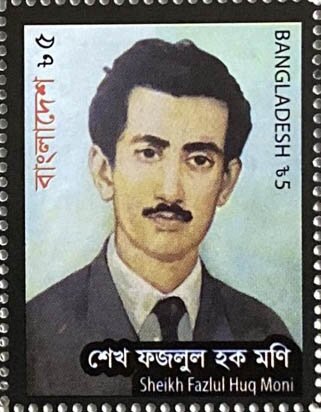
Each turning point asked something of him. Each time, he stepped forward.
Born on 4 December in Tungipara, Gopalganj, Sheikh Fazlul Haque Moni grew up in a family whose life was bound to the struggle for Bengal’s rights.
As General Secretary of the East Pakistan Chhatra League, he helped organize a generation refusing to accept military rule as destiny.
Arrests, prison, and cases followed his resistance to the education commission and his work for the Six-Point Movement. The mass uprising of 1969 brought his release.
After the military crackdown, he went to Kolkata to help organize the independence movement, becoming one of the principal organizers of the Mujib Bahini.
He founded the Bangladesh Awami Jubo League on 11 November, believing that young people had a vital role in rebuilding a war-torn nation.
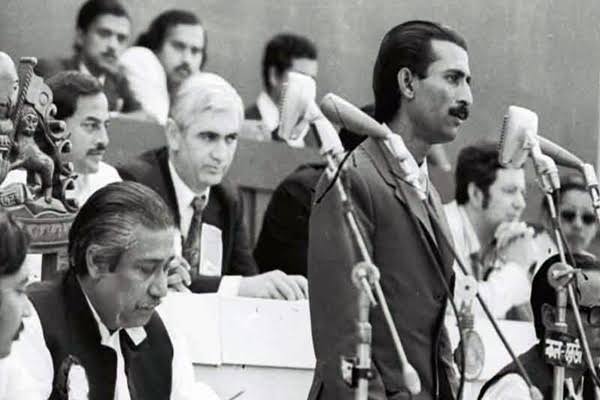
“A future is not inherited.
It is organized.”
In 1971, Moni worked with fellow leaders in exile to help organize the independence struggle. He became one of the principal organizers of the Bangladesh Liberation Front, known as the Mujib Bahini.
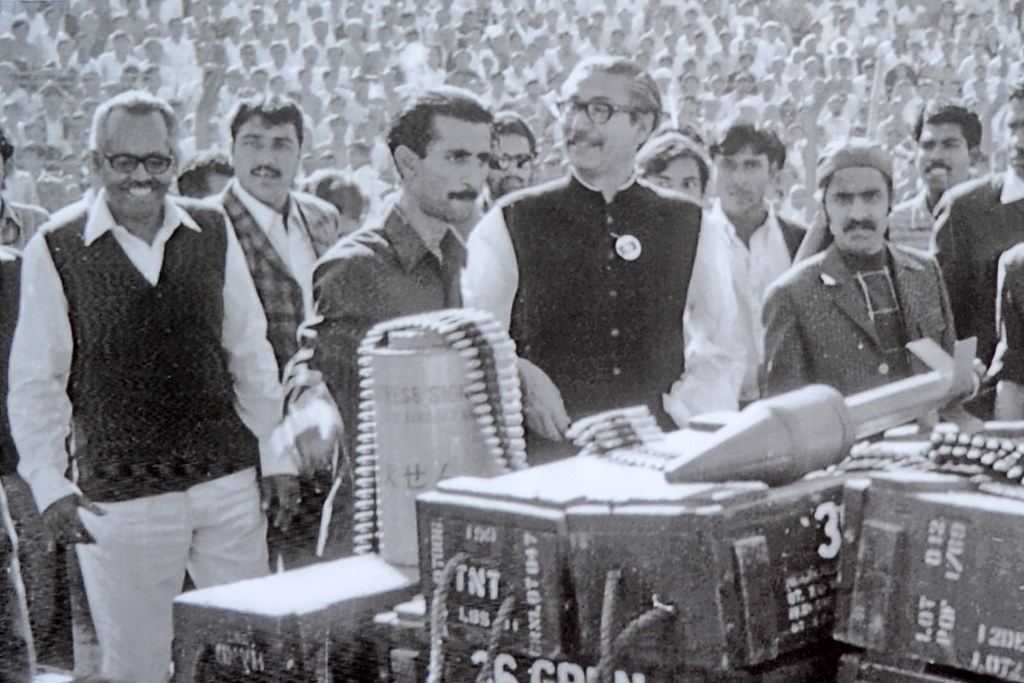
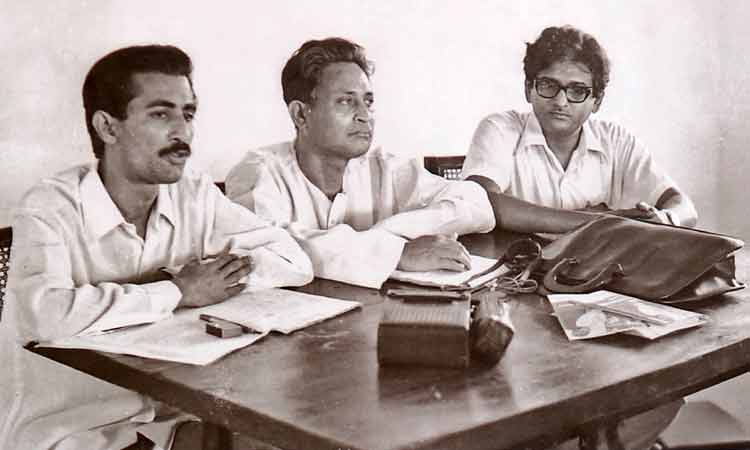
He founded the weekly Banglar Bani in 1970, later becoming its editor and publisher as it grew into a daily. He also launched The Bangladesh Times and the magazine Cinema, and wrote novels—including Obanchita, later adapted for film.
Behind the speeches and headlines was a husband and father. Moni and his wife, Begum Arju Moni, were killed at their home in Dhanmondi on 15 August 1975. Their two young sons survived. A family’s private grief became part of a nation’s collective memory.
This page remembers a life—not only its ending—and the human cost carried by those closest to history.
What does it mean to resist? To build after struggle? To make a public voice matter? Sheikh Fazlul Haque Moni’s legacy lives in the institutions he helped shape, the words he left behind, and the generations still asking those questions.
Continue exploring the archive